Many of us have spent years working in ways that we think we’re supposed to work.
That might mean being available at particular times, sitting at a desk for a certain number of hours, approaching tasks in a particular order or trying to work in the same way as the people around us.
We can become so used to fitting into an expected way of working that we don’t always stop to think about whether what we are doing actually helps us do our best work.
Getting curious and asking yourself, “what helps me work at my best?” can help you clarify what you need to thrive at work.
For neurodivergent people, understanding this can be particularly helpful. Instead of starting from the position that we need to work like everyone else and then asking for flexibility or adjustments when we can’t work in that way, we can begin by understanding how we work most effectively.
You might for example, find that you concentrate better at certain times of the day, need uninterrupted periods to become deeply focused, prefer written information to verbal instructions, need time to process before responding, or work better when you have more control over the order in which you approach your tasks.
It isn’t about finding one perfect way to work. It’s about noticing what helps you do your best work and what makes that harder.
What can you change for yourself?
Once we understand more about how we work at our best, we can start to think about what is within our own control.
There may be things we can manage differently without needing anybody else to do anything. Perhaps we can change when we tackle certain tasks, protect periods of focused work, use external reminders, structure our day differently, or think more carefully about how we manage our energy.
Other things may need a conversation with a manager or organisation.
The important part is understanding what we need first. It’s much easier to have a useful conversation about how we work when we understand what actually helps us.
Are you managing neurodivergent staff?
It’s worth getting curious about how they can work at their best.
Someone’s way of approaching a task might look different from the way you would approach it, or from the way most people in an organisation are expected to work. But if they are doing their job well and achieving the agreed outcome, does it matter that the route they take looks different?
Different doesn’t necessarily mean less effective.
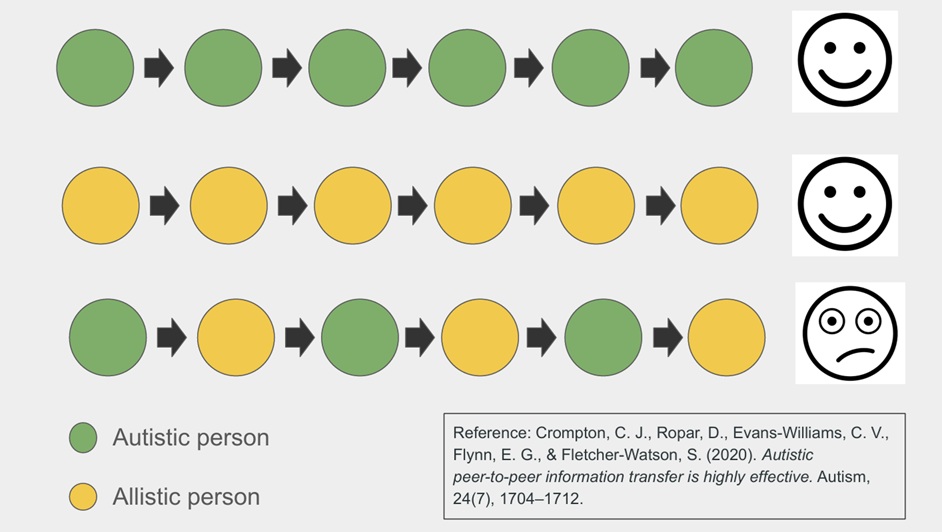
Sometimes the route that looks unusual from the outside is the one that enables that person to do their best work.In contrast to a focus on processes, presenteeism, and presentation, having a clear focus on desired outcomes can benefit neurodivergent people – who may have unique but sometimes very effective ways of getting to the outcomes
It can be easy to associate being a good employee with things we can see: being at a desk for particular hours, responding quickly, appearing constantly available or approaching work in a familiar way.
But those things don’t necessarily tell us how effectively someone is working.
Focusing more on outcomes can give people greater scope to work in ways that use their strengths and help them perform at their best.
Understanding your own way of working
If you’ve spent a long time trying to fit into how you think you’re expected to work, it might not be immediately obvious what working at your best actually looks like for you.
It can be useful to spend some time getting curious about the ingredients that allow you to work well.
When do you find it easiest to focus?
What helps you get started?
What makes it easier to move between different tasks?
What helps you communicate well?
What gives you energy, and what uses more of it than you might expect?
Then consider which of those things you can manage for yourself and which might require some flexibility, support, or a conversation with somebody else.
Perhaps, rather than asking “How can I work more like I’m expected to?”, you can start by asking: “What helps me work at my best?”
If you’d like to better understand how you work at your best, this is something we can explore through coaching. You can book a free 30-minute enquiry call if you’d like to find out more.
I also work with managers and organisations who want to better understand and support neurodivergent staff, through neurodiversity training and workplace support.
Please get in touch if you’d like to find out more.